
TAKE ACTION - FUR TRADE IN TROUBLE
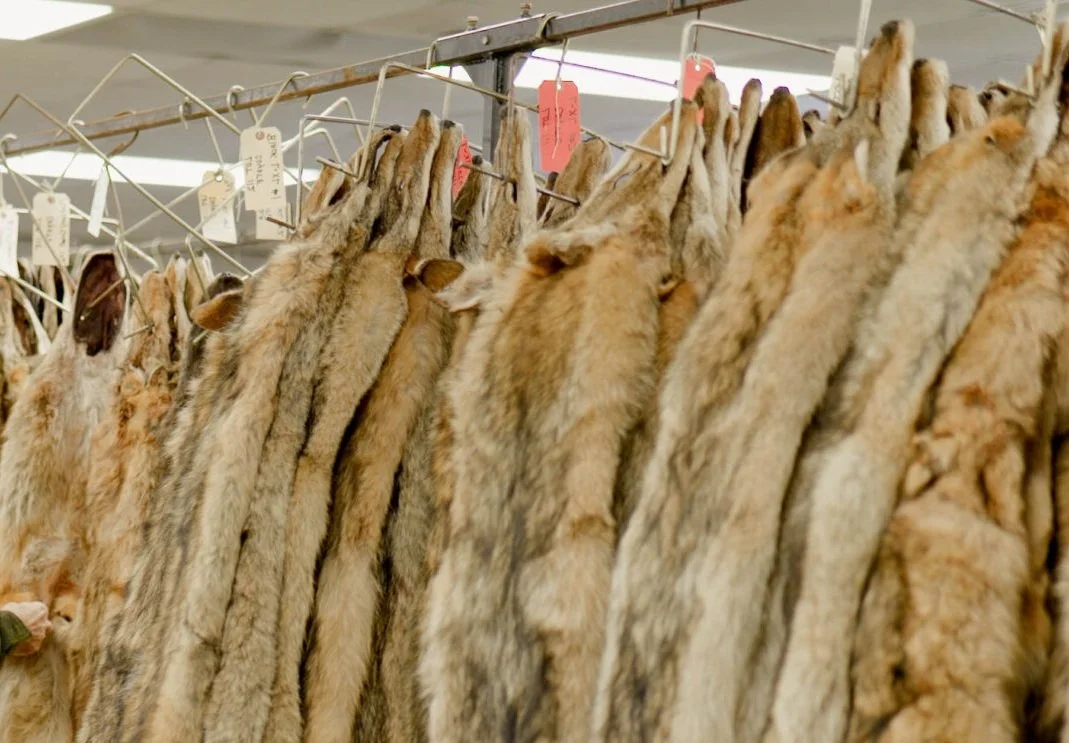
FUR TRADE IN TROUBLE
March 4th & 5th could hit closer to home than Canadians might think.
On Wednesday, March 4, and Thursday, March 5, the Colorado Parks and Wildlife (CPW) Commission will meet, and the decisions on the table will have long-term consequences for hunters, trappers, and firearm owners. The sporting community in Colorado is facing a coordinated effort to undermine long-standing traditions, from radical attempts to ban fur trading to new, unconstitutional obstacles for lawful firearm owners.
For Canadians, this is not a distant or irrelevant debate. Conservation issues, wildlife management, and the health of migratory herds do not stop at an international boundary. Our ecosystems are deeply connected, and many species move freely across the Canada–U.S. border. Policies adopted in Colorado and elsewhere in the United States can influence broader North American norms, affect shared populations, and reshape how the North American Model of Wildlife Conservation is interpreted and applied. It is therefore important for Canadians to stay engaged, informed, and involved in these discussions south of the border, because what happens there will ultimately affect conservation realities here.
Across the two days, the CPW Commission agenda will include a petition to ban fur, discussions on firearm restrictions arising from SB25-003, and final decisions on big game and small game regulations. There will also be an opportunity for public comment, both in person and virtually, along with access to formal meeting materials and a published agenda.
A strong presence from the hunting and trapping community is crucial. A room filled with blaze orange and camouflage serves as a visible reminder that science-based wildlife management and the North American Model of Wildlife Conservation are foundational principles, not bargaining chips. If those who support these principles do not attend or speak up, the most dominant voices in the room will be those working to restrict or dismantle these longstanding practices.
Attendance matters because the Commission is now considering changes that could permanently reshape hunting and trapping in Colorado. This is not a short-term debate about a single season or one species. It reflects a broader pattern of legislative and regulatory “creep” aimed at gradually eroding the freedoms and lifestyle that hunters, trappers, and firearm owners cherish.
Several key issues define this fight. First, there is a fur ban petition led by activists seeking to end the commercial sale and trade of fur in Colorado. While it is framed as a targeted initiative, it directly threatens furbearer management and serves as a stepping stone toward eliminating trapping altogether. For Canadians who rely on science-based furbearer management and a regulated fur trade as part of rural economies and conservation funding, this push in Colorado is part of a larger continental conversation that demands attention.
Second, the Commission is examining firearm restrictions tied to SB25-003 as it opens the “General Provisions” to implement a new Semiautomatic Firearm Safety Program. This proposal would impose mandatory 12-hour training courses and require “eligibility cards” simply to exercise Second Amendment rights. While Canada has its own distinct firearms laws and constitutional framework, developments like this in the United States can influence advocacy narratives, legal strategies, and public attitudes across borders. Canadian firearms owners and conservationists benefit from understanding how these issues evolve in U.S. jurisdictions.
Third, the Commission will be taking final votes on Chapter W-2 and W-5, which cover big game and small game regulations. These decisions will directly affect tags, season structures, and hunting opportunities for the coming year in Colorado. Because Colorado is a key destination in the broader network of North American hunting and wildlife tourism, changes there can affect patterns of travel, funding, and pressure on other jurisdictions, including Canadian provinces and territories.
The meeting will take place on Wednesday, March 4, and Thursday, March 5, beginning at 8 a.m. on both days, at the DoubleTree by Hilton in Westminster. There will also be an option to view the proceedings online for those who cannot attend in person. This hybrid access allows not only Colorado residents but also interested observers, including Canadians, to follow the discussion and understand the direction of policy.
For individuals who are unable to be physically present, there remains an opportunity to be heard. Written comments can be submitted, and virtual comments can be delivered during the meeting, but participants must submit and register by noon on Friday, February 27. Registration links are available for both virtual comment sign-up and written comment submission. Even from Canada, adding an informed voice to the record can underscore the fact that North American wildlife management is a shared responsibility and that decisions in one jurisdiction resonate far beyond its borders.
The strength of this effort lies in collective action. It is essential to share these details with family, friends, fellow sportsmen and women, and firearm owners. Remaining silent or assuming that others will carry the load only benefits those who are already organized, well-funded, and determined to push restrictive measures forward. By appearing as a visible, united front—whether in that room in Westminster or on the public record—Colorado’s sportsmen can demonstrate that they remain central to conservation, not an afterthought.
Everyone who values this heritage, in Colorado, across the United States, and in Canada, has a stake in the outcome. A robust turnout, both in person and virtually, will show the Commission that supporters of science-based wildlife management are paying attention, are prepared to defend their traditions, and are committed to passing on a thriving outdoor legacy to the next generation. Encouraging family, friends, and partners such as the Sportsmen’s Alliance to participate is part of safeguarding not only the future of Colorado’s outdoors, but also the interconnected conservation landscape that extends across the continent and into Canada, where wildlife and migrating herds recognize no borders at all.
Although Canadians will not have the opportunity to personally participate in this meeting, Hunt Source recommends writing elected state officials voicing your concern as outdoors men and women.
Visit:
Coloradans for Responsible Wildlife. https://savethehuntcolorado.com/
https://sportsmensalliance.org/
https://engagecpw.org/pwc-public-comment?tool=survey_tool#tool_tab
Hunt Source