
Questions and Concerns Raised Over Saskatchewan’s Elk Depredation Tag Program
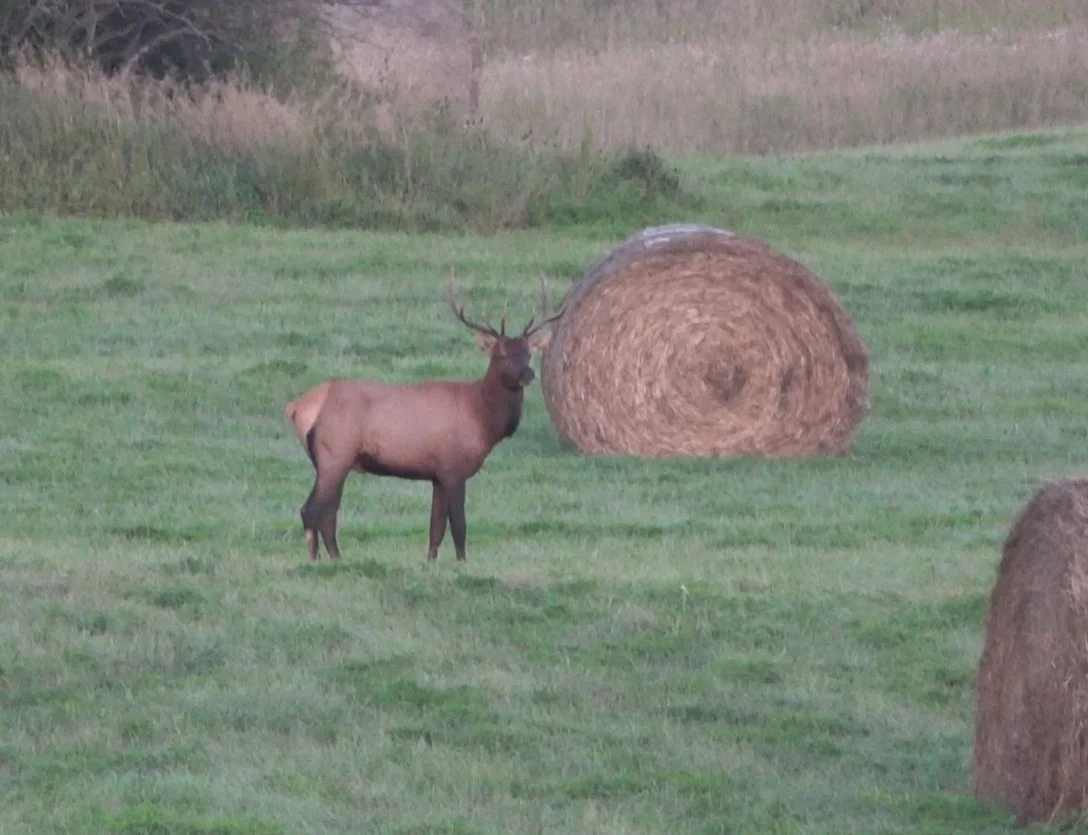
Questions and Concerns Raised Over Saskatchewan’s Elk Depredation Tag Program
A new depredation program in Saskatchewan, sparks debate with hunters, residents, and wildlife groups.
The Saskatchewan government recently announced a new program allowing producers dealing with elk damage to receive depredation tags to remove problem animals outside the regular hunting season. While the program is intended to help farmers protect feed and crops from elk congregating in winter, the announcement has raised a number of questions from hunters and rural residents across the province.
One of the first questions many people are asking is who was consulted before this program was introduced. There has been little information about whether hunters, wildlife groups, or conservation organizations were part of the discussions. People are also asking if this program is based on wildlife science and whether it fits into Saskatchewan’s broader big game management planning. The timing of the announcement has also been noticed, coming during the SARM convention despite no resolutions being brought forward related to elk, deer, beaver, or predator management.
There are also important details about the tags themselves that have not been clearly explained. The announcement did not specify whether these depredation tags apply to bulls, cows, or only antlerless elk. Without that clarity, some hunters are concerned about the potential impact on breeding animals and long-term herd stability. Others are questioning whether this program is aimed mainly at certain types of operations, such as corn grazing operations where elk are known to gather in larger numbers during winter.
Transparency around how the tags will be used is another concern being raised. Hunters are asking whether there will be a public list of producers receiving the tags so local resident hunters can potentially help manage the animals. Without that transparency, some worry the program could become another private wildlife control initiative similar to programs used for cougars or wild boar, where contractors are hired rather than involving the broader hunting community. At the same time, many landowners already allow hunters onto their property during the regular season to help manage elk numbers, raising questions about why those opportunities were not expanded first.
Some hunters are also pointing to preventative solutions that could help reduce elk conflicts in the long term. Questions have been raised about why feed such as hay bales remains accessible deep into winter and why more haystacks are not protected with fencing. Programs decades ago helped producers install fencing around feed stacks, and some believe similar solutions today could reduce wildlife damage without increasing elk removals outside the regular hunting season.
The timing of the program has also raised questions about elk populations themselves. Some believe it would make more sense to wait until winter is over and wildlife managers have a clearer picture of how many elk remain, especially following recent cow elk season that was implemented for the southern part of the province late last year. If wildlife damage claims have reportedly dropped significantly in the past year, many people are also asking why additional elk removals are being introduced now.
The issue has also begun generating responses from wildlife organizations. The Saskatchewan Wildlife Federation has released a counter article addressing the situation and offering its own perspective on elk management and the proposed depredation tag program. The discussion highlights the growing debate around how wildlife damage should be addressed while still maintaining healthy and sustainable elk populations across the province.
Finally, habitat loss continues to be part of the conversation. As bush and natural cover disappear across parts of the province, elk are increasingly pushed toward farms, feed yards, and crop fields. Protecting habitat and maintaining space for wildlife away from farmyards is seen by many as an important part of reducing long-term conflicts.
Elk damage is a real issue for some producers, but many people are asking for clearer answers, more transparency, and a stronger focus on long-term wildlife management solutions.
Hunt Source |
