
Collusion Claim Hits WA Fish & Wildlife
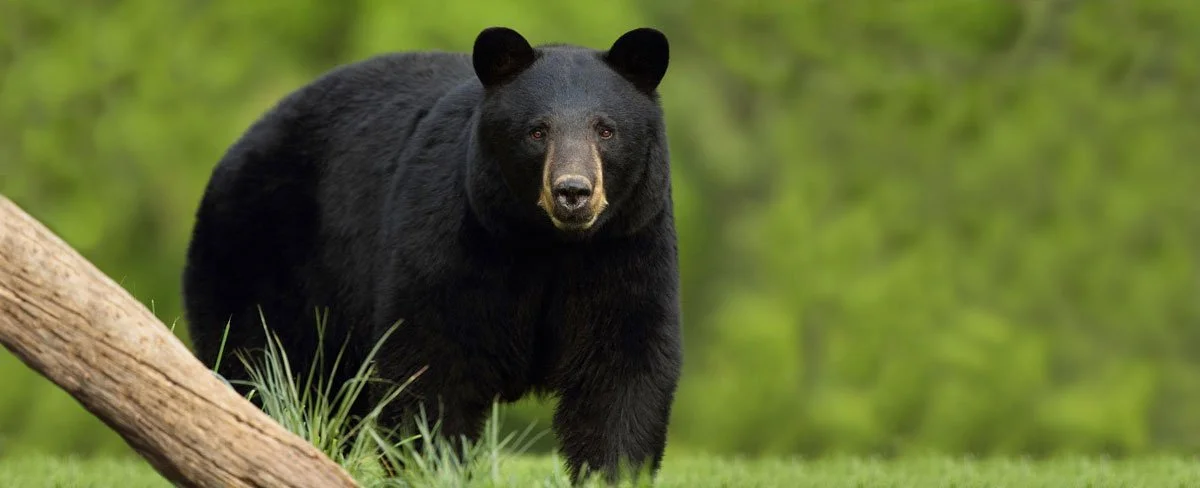
WA Fish & Wildlife Commission rocked by claims of collusion.
Photo: Illinois Department of Natural ResourcesTwo members of the Washington Fish and Wildlife Commission, Lorna Smith and Melanie Rowland, are pushing back against an internal Washington Department of Fish and Wildlife (WDFW) memo that accuses them of undermining transparency rules and getting too close to a high‑profile anti‑hunting advocate. The 10‑page legal memorandum, prepared inside WDFW by senior attorney Thomas Knoll Jr. at the direction of Director Kelly Susewind in May 2025, claims the two commissioners created “serious risks” for the agency around conflicts of interest and favoritism and also casts doubt on the conduct of a former commissioner Gov. Bob Ferguson chose not to retain. The document, sent to Ferguson’s chief of staff in May 2025 but only released this week after a records request, is now a central flashpoint in a broader struggle over the future of wildlife management in Washington and comes alongside a separate, governor‑ordered investigation into possible violations of open‑meetings and public‑records laws.
The memo zeroes in on what Knoll describes as a “tight relationship” between Smith, Rowland and Seattle attorney Claire Davis, president and CEO of the advocacy group Washington Wildlife First, noting frequent private meetings and communications and suggesting they may have advanced an agenda aligned with the group’s priorities. Washington Wildlife First has simultaneously been calling for Susewind’s removal as director. Smith, Rowland and Davis all denounce the memo as inaccurate and defamatory. In a Feb. 9 letter, Rowland branded it full of assumptions and unsupported accusations; Davis says Knoll leveled misconduct claims without evidence; and Washington Wildlife First’s science and advocacy director, Francisco Santiago‑Ávila, argues the memo is part of a “selective, vindictive, and defamatory” push to oust pro‑wildlife commissioners. Smith says she was “shocked” when she first read the memo and believes it reveals more about department management’s behind‑the‑scenes behavior than about her own, adding that she will say more only after consulting attorneys. Both commissioners insist they first saw the document on Feb. 2, 2026, just before its public release.
The controversy stems in large part from the commission’s 2022 vote to end Washington’s spring black bear recreational hunt. The Ohio‑based Sportsmen’s Alliance, which opposed the closure, suspected legal and procedural missteps and sued for access to commissioners’ emails, texts and other records. After receiving thousands of documents in 2025, the group petitioned Gov. Ferguson on May 16, 2025, to remove Smith, Rowland, Barbara Baker and John Lehmkuhl for alleged misconduct and malfeasance. Ten days earlier, on May 8, Susewind had already forwarded two boxes of records tied to the group’s request to Knoll, asking for an “independent assessment”; Knoll’s finished memo reached the governor’s office the same day the Alliance petition arrived. In June 2025, the state Office of Financial Management hired outside investigator Chiedza Nziramasanga of Transformative Workplace Investigations to conduct a wider probe into alleged discrimination, retaliation and other policy violations involving the commission, using both Knoll’s memo and the Sportsmen’s Alliance petition as starting material. Ferguson did not publicly acknowledge that independent investigation until mid‑August, after Susewind formally requested it; the final report, initially due in February 2026, has been delayed by a month.
There is now a sharp dispute over who knew about the memo and when. Susewind says he withheld it from the public in 2025 to avoid biasing the independent investigation and maintains that commissioners were offered the chance to review all of the records compiled from the Sportsmen’s Alliance request, including Knoll’s analysis. Commission chair Jim Anderson supports that account, saying everyone had an opportunity to see what was in the file. Smith and Rowland flatly deny this, insisting they were never shown or directed to the memo until this year. Knoll’s conclusions draw heavily on files recovered from former vice chair Tim Ragen’s computer, one of two commissioners Ferguson declined to keep, and emphasize what he portrays as insufficient record‑keeping by commissioners and unusually close contact with Davis, including frequent pre‑meeting conversations and direct emails about ongoing matters. He argues that a 2023 email in which Davis invited commissioners to ask about a lawsuit she filed against WDFW was “clearly inconsistent” with rules requiring commissioners to avoid even the appearance of a conflict regarding active litigation. Rowland, an attorney herself, categorically denies ever discussing active litigation with Davis or any lawyer suing the department, while Davis defends all of her communications as proper, ethical advocacy protected under the First Amendment.
As the independent investigation nears completion, the late release of Knoll’s memo has intensified friction among commissioners, department leadership, hunting organizations and wildlife advocacy groups. What Gov. Ferguson decides to do both with the Sportsmen’s Alliance removal petition and with whatever findings come from the outside investigator will determine not only who sits on the Fish and Wildlife Commission, but also how Washington balances species protection with hunting and fishing opportunity in the years ahead. For hunters, anglers and conservation‑minded residents, the stakes run beyond procedural questions; they go to the heart of who sets the state’s long‑term wildlife strategy and how open and accountable that process will be.
Hunt Source