
Catalina Deer Cull: Another Sidney Island Assault?
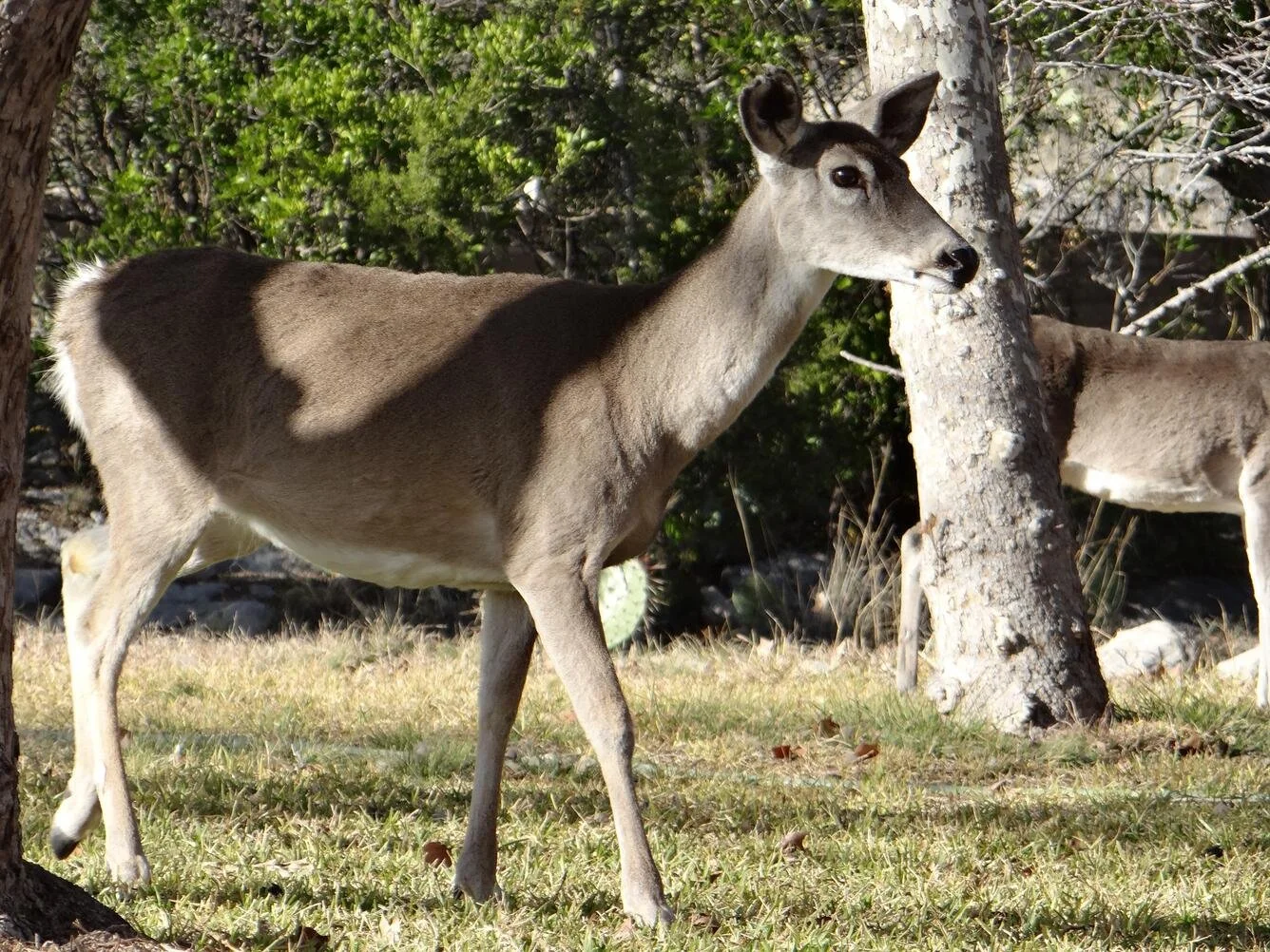
Catalina Deer Cull. Is it another Sidney Island catastrophe?
In early February, the California Department of Fish and Wildlife signed off on a plan to wipe out every mule deer on Catalina Island, a small, rugged island sitting about 23 miles off the Southern California coast. The project is marketed as “ecological restoration,” but in practical terms it’s an island‑wide cull with a clear end point: zero deer.
The push is being driven by the Catalina Island Conservancy, which controls over 40,000 acres around 80 percent of the island. In their view, mule deer are an introduced species that never belonged there in the first place. They argue the deer are non‑native, hard on native plants, and by extension hard on the wildlife that relies on that vegetation. Their stated objective is to remove all 800–2,000 deer within six years.
Starting this fall, the work shifts from planning to killing. Contracted “professional sharpshooters” will target deer over bait and at water sources. The plan allows the use of dogs, thermal optics, helicopters, and drones to locate animals. The only firm restriction is no shooting directly from aircraft. All shooting will be done on the ground by White Buffalo Inc., a U.S. outfit that usually handles urban and suburban deer reductions at about US$200–$400 per animal. On a remote island, with helicopter time and logistics, the per‑deer cost will almost certainly be higher.
None of this is happening on a blank slate. Mule deer were trucked onto Catalina in the 1920s as a huntable population, much like how exotic deer have been moved onto islands and private ground elsewhere including the fallow deer on Mayne and Sidney Islands off the coast of British Columbia. Those fallow deer were brought in during the 1980s to be farmed, and over time they spilled out across the landscape. What started as an agricultural idea has turned into an ecological headache, and today those herds, like Catalina’s mule deer, are the focus of government‑approved removal programs rather than long‑term hunting opportunities.
For decades, Catalina deer supported a tag‑based public hunt on both state and Conservancy lands. In 2024, California issued 1,000 tags for the island and hunters killed 397 deer numbers the Conservancy called inadequate for population control. The following year, quotas were cut to 200 and restricted to island residents only, even as the organization argued that recreational hunting simply couldn’t do the job. That arc will sound familiar to residents of Sidney Island, which is now in Phase 2 of a governements management plan of eradicating the follow deer population by air assault.
In their formal plan, the Conservancy points to Catalina’s steep, brush‑choked terrain as a limiting factor for hunter success and notes that deer have learned to hole up in Avalon, the island’s only town, where hunting is off‑limits. Management priorities are being reset around native vegetation: the Conservancy claims a century of browsing has suppressed native plants and opened the door for invasive grasses, estimating that about 35 percent of the island is now covered in highly flammable non‑native grasses. They link that shift to increased fire risk and impacts on endemic species like the Catalina Island fox and Catalina Island ground squirrel—parallels Canadians will recognize from small island systems in the Salish Sea, where non‑native ungulates and invasive plants can quickly reshape tight, coastal ecosystems.
The same storyline is playing out north of the border. On Sidney and Mayne, heavy fallow deer browsing has hammered native understory, encouraged invasive plant spread, and altered habitat for ground‑nesting birds and other sensitive species. There, as on Catalina, managers now frame the situation as a binary: either you accept a “restored” or “natural” ecosystem as the priority, or you accept ongoing pressure from a non‑native deer herd. And as with Catalina, the official answer on both Sidney and Mayne has tilted hard toward eradication.
From the Conservancy’s perspective, that leads to a hard either‑or: a “natural ecosystem” or mule deer, but not both. Once most of the animals are shot, they’ll move into a clean‑up phase using live‑captured, GPS‑collared “sentinel” deer to help locate survivors. In Avalon, deer will be baited and darted with tranquilizers, then sterilized or killed.
Most carcasses will be left where they fall to decompose on the landscape. Only deer taken near roads, trails, or other visible areas will be salvaged, with that meat earmarked for the California Condor Recovery Program or local Native tribes. The target date for a deer‑free Catalina is January 2032.
Opposition has been building since at least 2023, with petitions, pushback from animal‑rights groups over both the killing and the perceived “waste” of leaving meat in the field, and an hour‑and‑twenty‑minute documentary “Killing Catalina” released by Howl for Wildlife. With state approval now in hand, the Conservancy can move ahead, though it’s still unclear whether any public hunting will continue or if paid contractors will do virtually all the killing.
From a Canadian perspective, and especially looking at situations like the fallow deer on Sidney and Mayne, where HUNT SOURCE staffers Kevin Toye and Jake Loewen were on the ground this January, the core questions feel very familiar. When a jurisdiction decides an introduced deer herd has to go, what role, if any, do hunters and local residents play in that process? How much of that animal resource is actually used for food through community harvests, Indigenous use, or targeted hunts and how much is written off as collateral damage in the name of restoration? Catalina’s plan doesn’t just look like a California story; it echoes almost point‑for‑point the debates now unfolding on our own islands in coastal B.C.
HUNT SOURCE