
Saskatchewan’s Waterfowl Hunting Changes: What You Need to Know
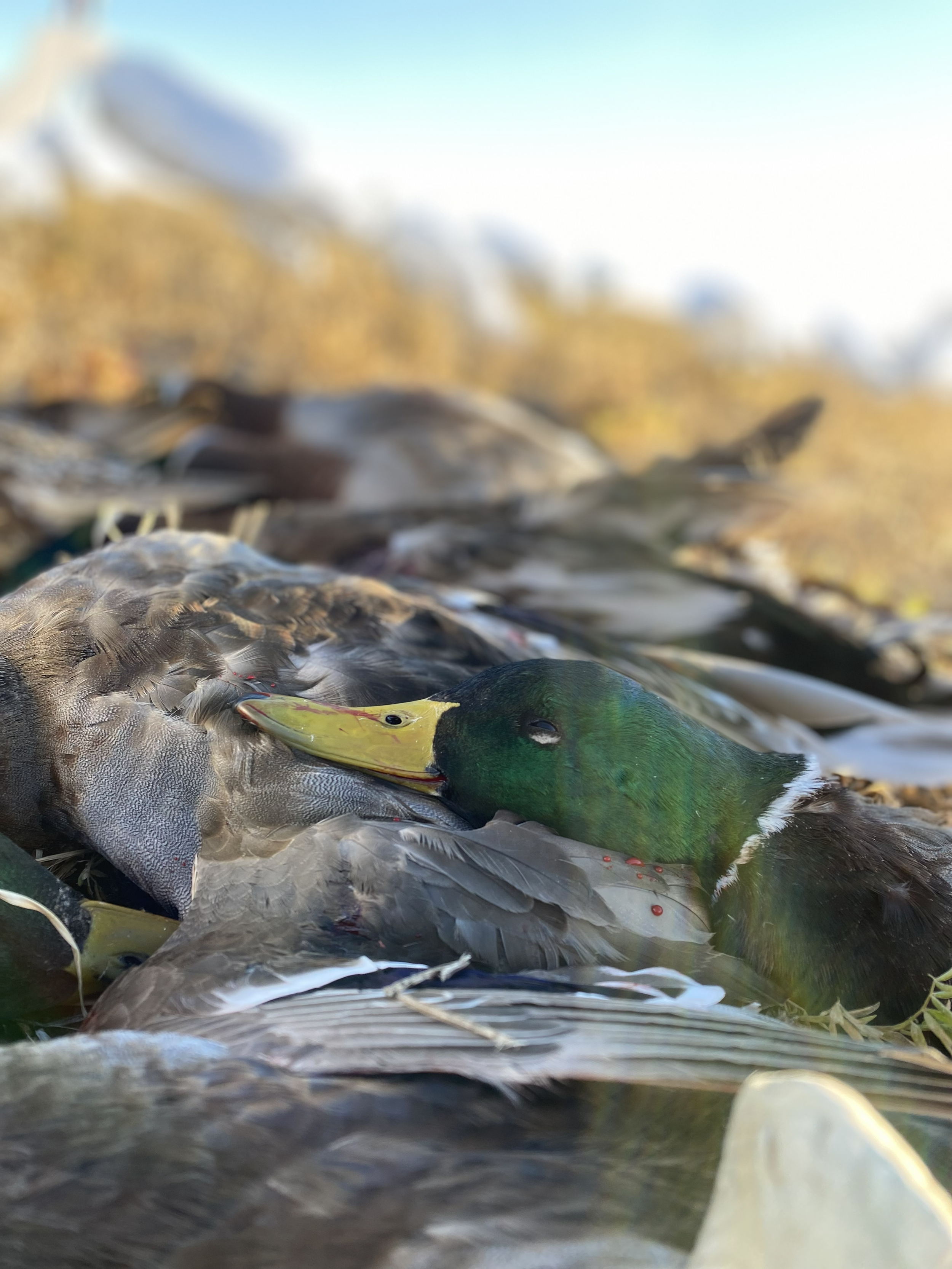
New changes made to waterfowl hunting for Saskatchewan’s non-resident hunters.
What do these new changes mean for both residents and none resident?
In March 2026, Saskatchewan introduced a major shift in waterfowl hunting regulations, specifically targeting non-resident hunters, most of whom are Americans. The province now limits each non-resident to 15 total hunting days per year: one five day licence in spring and two five day licences in fall. Before this, non-residents could hunt for extended periods, sometimes several weeks, moving with migration patterns and scouting their own birds.
The government’s stated goal is to reduce illegal outfitting, where hunters or operators provide guiding services without a licence. Enforcement of informal arrangements has been difficult, and the new short term licence system gives conservation officers a clear framework to regulate activity. It also ensures that licensed outfitters benefit from structured demand rather than competing with unregulated operations.
For American waterfowl hunters, this change is significant. Many longtime visitors enjoyed the freedom of multi-week trips, moving from field to field and exploring new areas each day. Those extended trips are no longer feasible. With only 15 total days allowed, hunters must now maximize efficiency, condense their plans, or rely on licensed outfitters to make the most of their time. While trips may feel more rushed, guided hunts offer a streamlined experience with a higher likelihood of success, but often at a higher cost. This shift may reduce total spending per hunter, particularly in small towns where longer stays previously supported lodging, restaurants, and fuel services.
Resident hunters in Saskatchewan are likely to see immediate benefits. Shorter stays by non-residents reduce overall hunting pressure, making birds less wary and fields less crowded. Private land access may improve as turnover increases, giving locals better chances to secure permission. While the policy does not directly affect bird populations, these are managed throughout the entire flyway, it does improve the hunting experience, making it less about competition and more about quality. Hunters may notice calmer birds, less congestion at prime access points, and a more relaxed atmosphere during peak migration.
Licensed outfitters also stand to benefit. The shorter licence periods incentivize Americans to book guided hunts rather than attempt long, freelance trips. This creates a more structured, taxable market, reducing the grey-area of unregulated access. For rural communities, the picture is mixed. While outfitters may see increased business, towns that relied on long-stay hunters for extended spending, hotels, diners, gas stations, may experience a slight drop in revenue. The overall economic impact may shift, concentrating dollars in guided hunts rather than in longer, independent trips.
For the province, this change represents a balancing act. By limiting total hunting days for non-residents, Saskatchewan strengthens enforcement, protects residents’ hunting opportunities, and ensures licensed outfitters benefit from the system. Some tourism revenue may be lost, but regulatory clarity and a fairer hunting landscape are gains the government deems worth the trade off.
In practical terms, American hunters will face shorter trips and higher reliance on outfitters, while Saskatchewan residents will enjoy less competition, better access, and a higher quality hunting experience. The province gains improved control over hunting activity, with potential short term economic impacts on small towns but a more regulated, sustainable approach overall.
Saskatchewan has made a clear statement: regulation, fairness, and control are the priorities over sheer volume of non-resident hunting activity. The real test will be in the coming seasons, as hunters and communities adjust to this new landscape and the province evaluates whether the changes successfully balance economic interests with the quality and fairness of waterfowl hunting opportunities.
Hunt Source
