
Farmers fed up with Elk
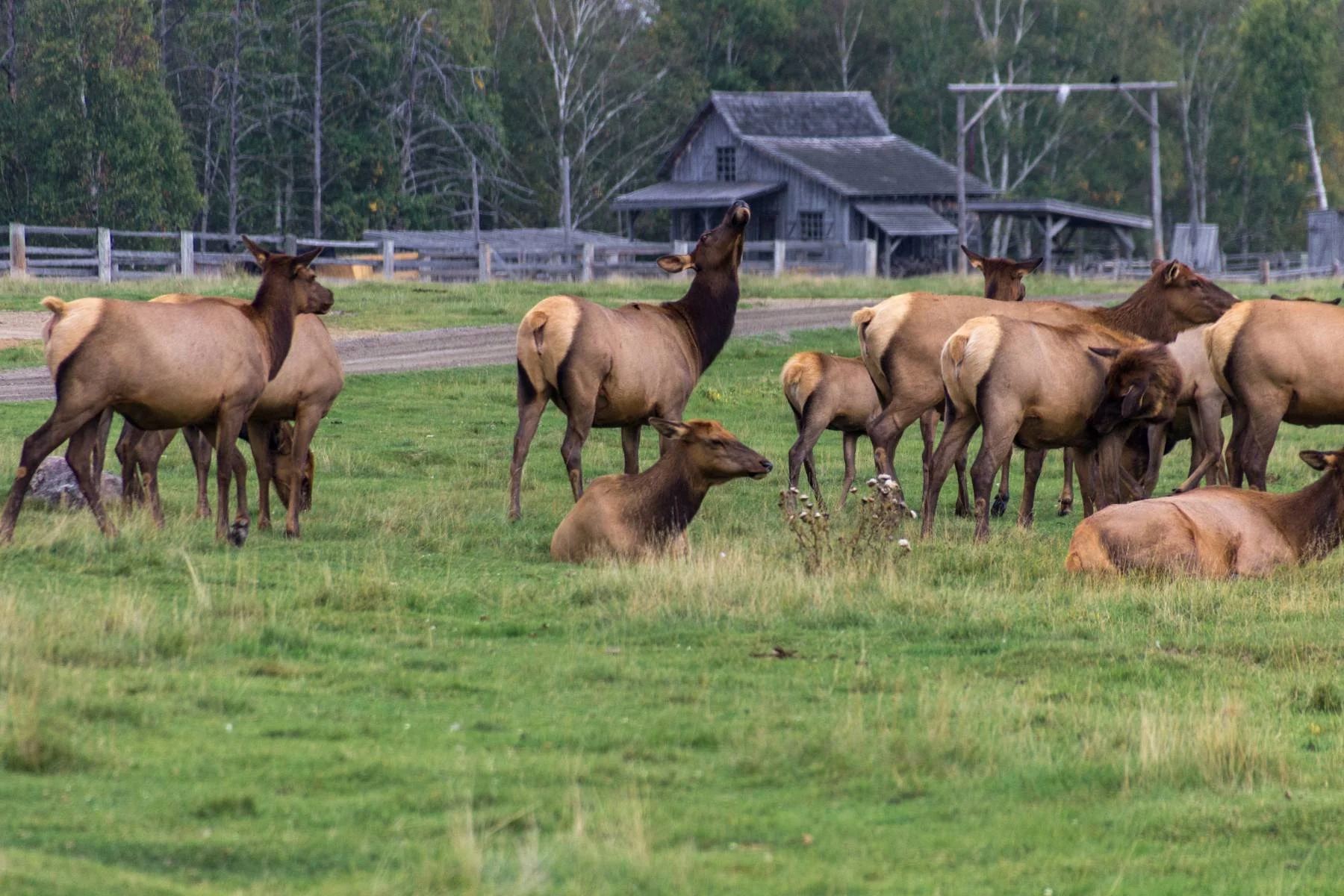
High Elk numbers have farmers fed up.
Farmers on both sides of the border are fed up with the damage to crops and fences.
Driving east of Saskatoon on a sharp March morning, you know you’re in elk country by the smashed fence posts and chewed‑down feed piles. From the forest fringe to the parkland, Saskatchewan farmers now face what ranchers see in the Blue Mountains of Washington, Idaho and Oregon: elk that once stayed mostly on public or Crown land are crowding into private fields and pastures.
In the Blue Mountains, rancher and former biologist Shaun Robertson can follow elk tracks straight from the dense Malheur National Forest onto his 4,300 acres, alongside cougar and coyote prints. He says constant pressure from hunters, predators, traffic and recreation keeps elk moving. Prairie producers say the same about busy Crown land, sled trails and popular hunting spots, all of which push stressed herds toward quiet hay yards, swath grazing and winter cereals.
A century ago, governments worried about losing elk entirely. Overhunting in the late 1800s nearly wiped them out, so Oregon and Washington imported animals from Yellowstone and elsewhere, while western Canada tightened rules and helped herds rebound. That success has become a major farm cost. Elk prefer a mix of trees for cover and openings for feed; swings in U.S. forest policy, big wildfires, more roads and more recreation have made public land noisy and risky, while recovered predators add another layer of pressure. Under that squeeze, elk pile onto private land.
A few hundred animals, with cows up to 500 pounds and bulls around 700, can flatten winter feed, wreck fencing and turn fields to mud. Washington has more than doubled its wildlife damage budget to $420,000 and still can’t keep up. Saskatchewan farmers tell similar stories about provincial compensation that doesn’t match the true loss when elk raid and foul bales meant to carry cattle through long winters.
Standard barbed‑wire fences do little; elk clear them easily and barely feel the barbs. Robertson is replacing 35 miles of fence with high‑tensile wire to slow elk and predators and hold cattle in. Prairie producers have tried taller wire, page wire and electric lines with mixed success, often just shifting the problem to a neighbor with weaker fences.
Wildlife agencies rely on hunters and hazing to nudge elk back to public land. In Oregon and Washington, officers like conflict supervisor Jason Earl use noise, lights and their presence to move herds, even as biologists track troubling declines in calf survival. Saskatchewan debates more antlerless tags and targeted hunts around problem areas, while trying to protect herd health and Indigenous harvesting rights. At the same time, some landowners on both sides of the border manage former ranches as hunting properties, welcoming resident elk that delight them but cost working neighbors thousands of dollars.
Elk still carry deep cultural weight. Portland, Oregon, is spending $2 million to restore a downtown elk statue, while many First Nations across the Prairies and the Northwest remember stories of ungulates as teachers and providers who agreed to sustain people if people cared for them in return. That bargain is under strain. Elk don’t recognize the line between Crown and deeded land or between a wildlife area and a silage pit. Policy still does. Until forest and access management, hunting rules and compensation programs reflect how elk actually move, Saskatchewan farmers will keep watching the treeline, counting tracks and broken bales, and absorbing the cost of a conservation success that has come to rest on their land.
Hunt Source