
How to become a better elk hunter.
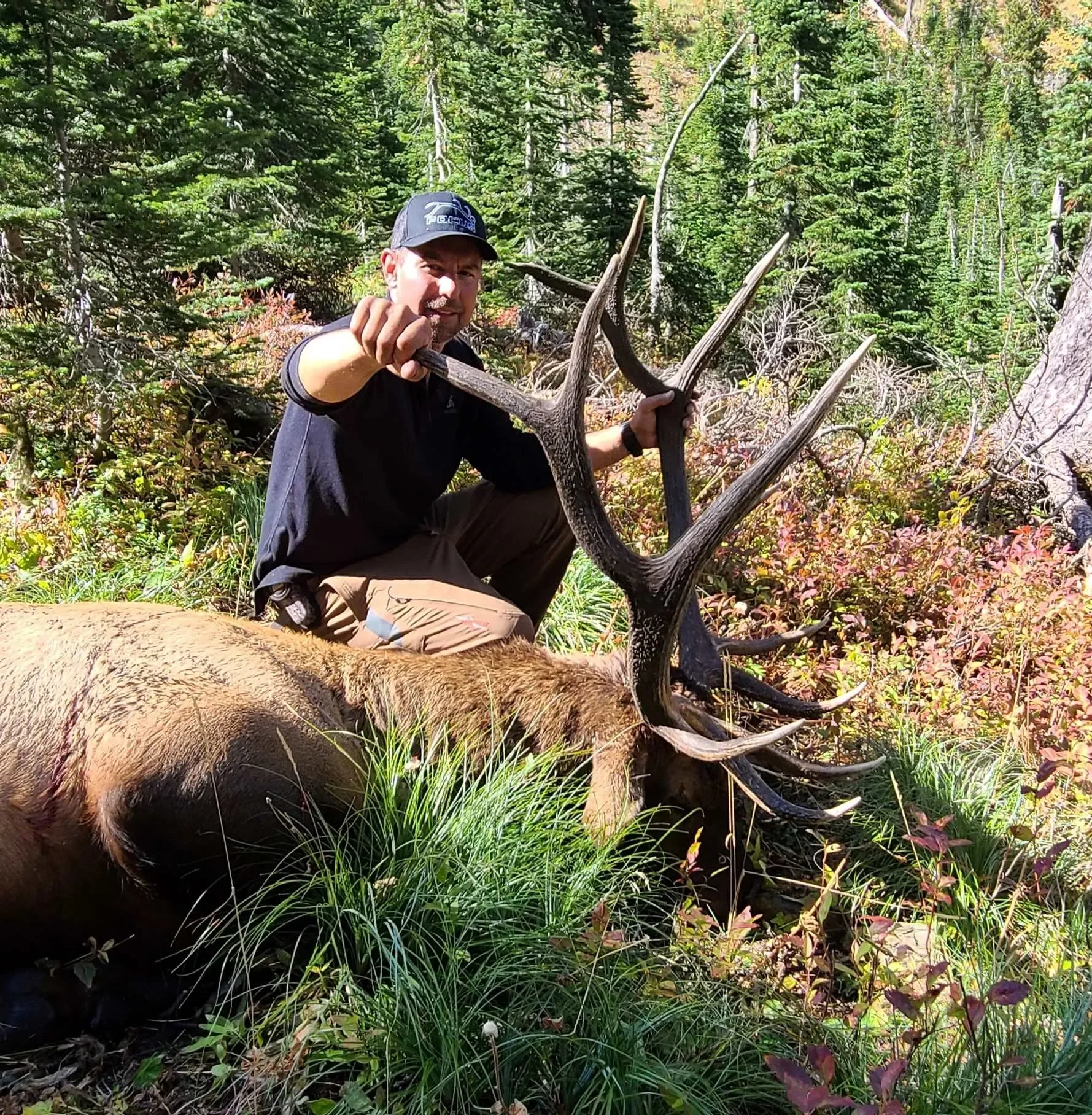
Become a better Elk Hunter.
How to become a better elk hunter this September.
KILL YOUR FIRST ELK IN BC – PART 1
To become a successful elk hunter in British Columbia, there are several factors you must understand and techniques you must master if you want to be consistently successful year after year. In this three-part series, I am going to break down everything I have learned to make you more effective this September while chasing bugling bull elk.
Why hunting elk in BC is unlike any other place on earth
Hunting elk in British Columbia is a unique challenge because of the land itself, the predators that live here, and the way the mountains shape every decision you make. The province’s topography is incredibly diverse. You can be pushing through thick, soaking wet coastal rainforest one week, climbing steep, rocky alpine faces the next, and glassing open, dry, almost desert-like country after that. Each of these environments demands a different approach in how you call, move, and position yourself. What works in open timber or meadows can completely fall apart in tight, noisy jungle-like bush, and the steepness of the terrain often dictates how close you can get to a screaming bull before he catches your wind or hears you coming.
On top of the terrain, predator pressure in BC is on a different level than most places in North America. Elk here live alongside dense populations of grizzly bears, wolves, black bears, cougars, wolverines, lynx, and more. These animals are constantly hunting, and elk know it. As a result, elk in BC are often more wary, more mobile, less likely to engage in calling and less forgiving of mistakes. Bugling can draw in not only bulls but also curious or opportunistic predators, which affects how elk respond to calling and how long they stay vocal in a given area. Understanding this predator dynamic is key to interpreting elk behavior, reading sign, and deciding when to push in or back off.
Geography also plays a huge role. The high mountain ranges and deep valleys that cut across British Columbia make navigation and timing extremely challenging. Getting from one basin to the next can take hours of climbing and side-hilling through deadfall, slide paths, and thick regrowth. When a bull answers your call, you often have a narrow window to move into position before thermals shift or the herd drifts away to bedding or feeding areas. In BC, poor route planning or underestimating the terrain can mean you simply run out of time and daylight. Success often comes down to knowing how to read a map and the mountains, how to anticipate where elk will travel, and how to move efficiently through brutally steep country.
All of these factors combine to make British Columbia one of the most challenging and rewarding elk hunting destinations in the world. The terrain, predators, and geography force you to become a better hunter. In the next parts of this series, we will dive deeper into specific tactics, elk behavior, and the skills you need to consistently kill your first bull in BC.
Kevin Toye | Hunt Source