
Becoming a Mountain Hunter
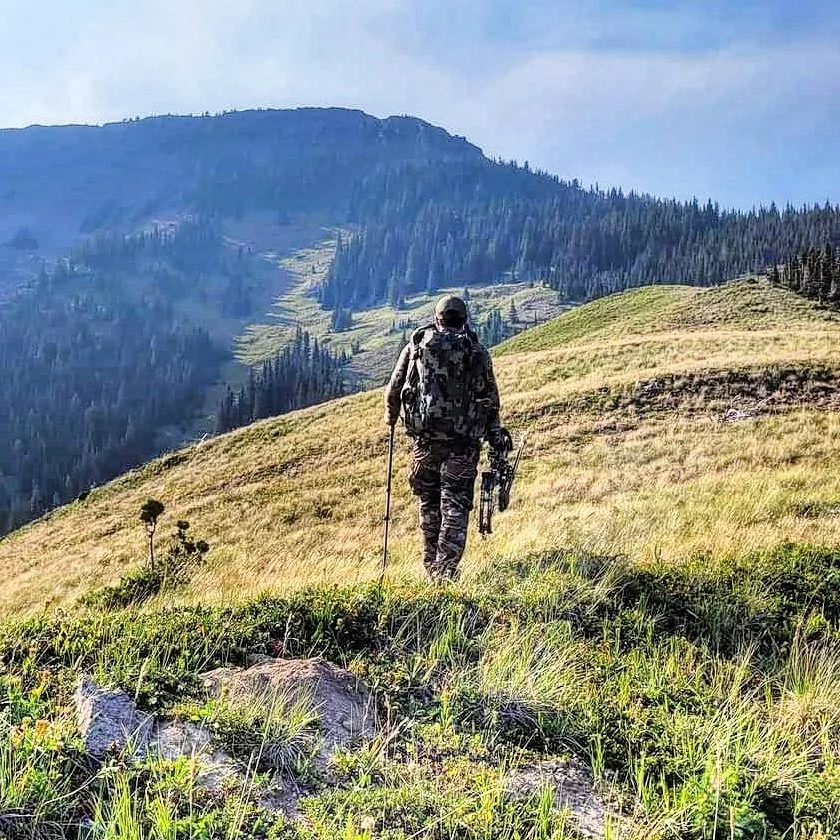
Becoming a mountain hunter.
Dave Campbell | Hunt Source
Mountain hunting has a reputation for being one of the most physically demanding and mentally challenging forms of hunting. Steep terrain, unpredictable weather, and animals that thrive in places most people avoid. This creates a level of difficulty that quickly exposes weaknesses in preparation and mindset. Everyone has that romantic vision of a bugling bull or heavy antlered mule deer buck in alpine meadows waiting to be stalked.. but what does it take to become a consistently successful mountain hunter?
It's about learning how to move through the mountains with purpose, understanding where animals live and why they are there and developing the mental resilience to keep showing up when the feeling of success seems fleeting. Success as a mountain hunter is an ever evolving journey that changes from season to season. I am far from what I would consider an accomplished hunter and have made many mistakes along my journey, but one thing that has contributed to my success is I keep showing up and continue to learn from those mistakes. You have to adapt, rethink plans and make adjustments.
This is a collection of a few concepts I believe will help you become more successful in the mountains based off the mistakes I've made - Hopefully so you don't have to.
1. Learning To Navigate Terrain Effectively.
Growing up in southern Ontario, effectively moving through terrain required a lot less thought and physical fitness.
Although, I have always been in relatively good shape I was not prepared for my first backcountry Alberta elk hunt.
It's no secret you do not have to be an ultramarathon runner or a CrossFit Games althete to be a success mountain hunter, plenty of guys get it done every year that have never picked up a weight or ran a trail in their life.
But well rounded fitness capability is only an asset, that first elk hunt taught me it's not always about how "fit in the gym" you are if you can't effectively navigate the mountain.
We backpacked in 10 Km to an alpine lake to set up camp only to end up hunting the ridge above camp because of steep terrain I was ill prepared for.
Those ruck workouts walking my dogs around my flat neighborhood weren't even close to preparing me.
Training for the conditions you will face is the key, if you need to climb steep elevation or hike up and over deadfall all day. You best believe you need to be preparing for that. That means off season should be spent climbing hills, hiking off trails and building the strength and endurance to spend day after day doing that. Not your typical bro split in the gym and the 45 min dog walk rucks on the sidewalk.
In the mountains, opportunity rewards those who have the ability to move into position quickly and effectively.
The second part of that equation after fitness is understanding topography.
Animals use terrain features in predictable ways, learning to recognize features like saddles, benches and pinch points will drastically improve your success. Topographic maps can allow you understand terrain and build a plan long before a shot opportunity. Building a plan of how you plan to move through the mountains before your boots even hit the dirt can save many wasted miles and hours.
2. Hunting Where Animals Are—Not Where You Want Them to Be.
One of the biggest mistakes I made when I started mountain hunting was going to places that look pretty rather than places animals actually use. Those beautiful open rocky eastern slopes of the Rocky mountains transitioning into the foothills of Alberta look just like everyone's dream spot to arrow a big bull but the reality was the elk weren't out in the open.
They are in the thick nasty pockets tucked away from sight.
I would spend hours glassing open cuts in BC but hardly ever seeing elk or mule deer. Once I got off the glassing point and got into the timber I would start finding sign. Spots you could hardly see 50 yards, spots animals felt safe. It's not easy but consistent success is never easy.
Get Out of the Truck!
Road systems concentrate hunters. The farther you move away from easy access, the fewer people you usually encounter. Sometimes that means crossing a river or climbing to the backside of a ridge. While animals do not automatically disappear near roads, consistent hunting pressure pushes many of them into less convenient terrain.
Getting out of the truck and committing to covering ground helped me more consistently find animals.
When a place offers security, nearby food and limited disturbance, animals tend to use it more often even if it isn't the most visually appealing part of the mountain.
3. The Mountain Hunting Mindset
The final concept — is mindset.
Even after long days or whole hunts without seeing the animals you seek, missed shots and blown stalks the ability to keep coming back day after day is the difference. These challenges will face anyone that hunts long enough.
My first Mule Deer buck I shot in BC came after missing a 37 yard shot opening weekend in archery season on him. I later shot that buck in rifle season 6 weeks later after many more days a field before the next opportunity presented itself.
Persistence is one of the most defining traits of a successful hunter. The willingness to keep returning to the mountain even after difficult experiences is what builds the knowledge and experience needed to succeed over time.
Every hunt adds information - animal behaviour, about access routes and personal limits. The mountain constantly presents new lessons if you are willing to listen and learn. If you are able to adapt and push those limits you will find more and more success as each season passes. Over time those adjustments compound into a deeper understanding and improvement of skills.
Becoming a successful mountain hunter is not something that happens in a single season. It is a process built through experience, effort and reflection. By developing the fitness and knowledge to move through difficult terrain effectively, learning to recognize patterns, build skills and creating a resilient mindset, this helps transform into more consistently punched tags.
It is a never ended process.
The satisfaction comes from the growth.
What once felt intimidating becomes familiar. With each trip into the mountains you become more capable, more confident and more successful.
Dave Campbell | Hunt Source