
FIRES HAMMER NEIGHBOuRS TO THE SOUth
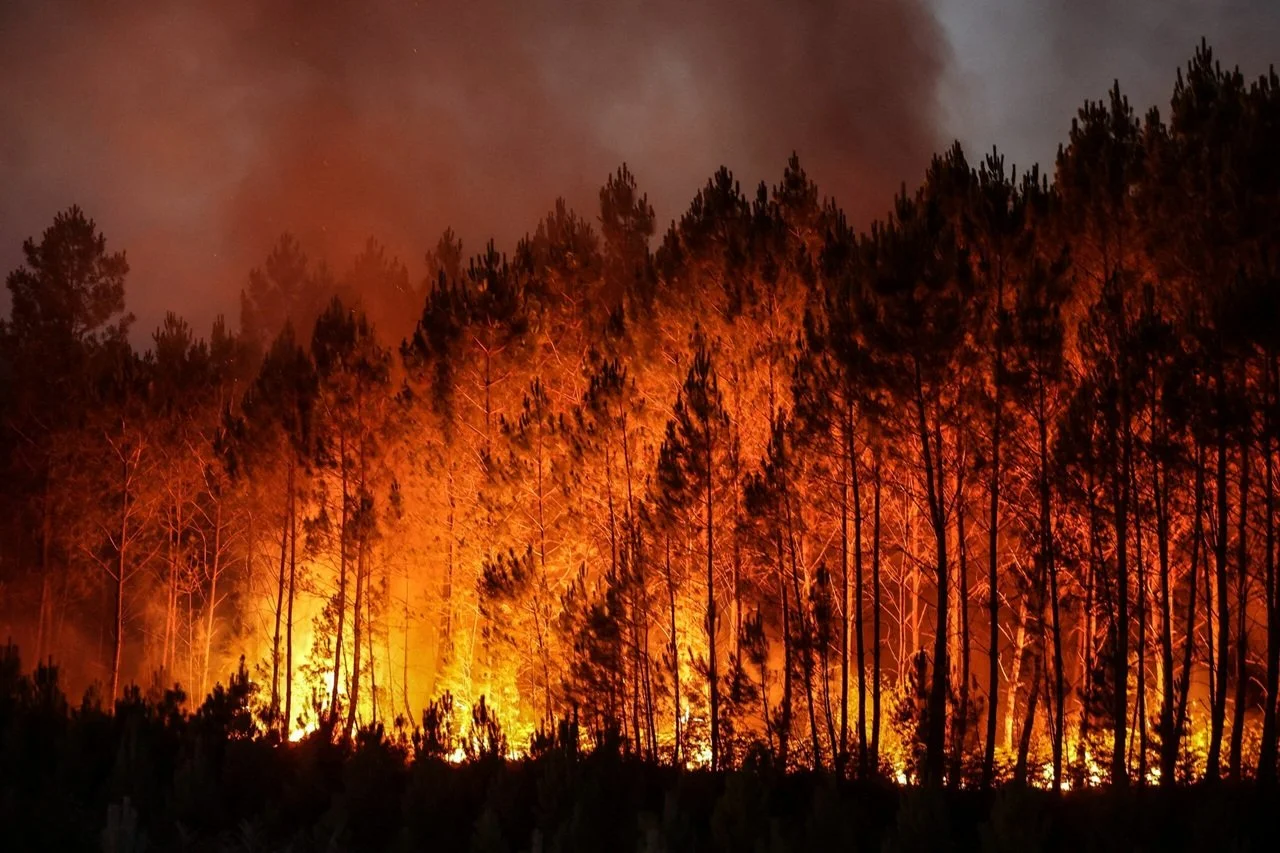
Fires Burning South of the Border | Hunt Source
Wildfire season may feel a long way off for most of Canada, but our neighbours to the south are already facing extreme, fast-moving fires that are threatening homes, communities, and livelihoods. It’s an early reminder that fire risk is no longer limited to “summer” and that we need to be cautious and vigilant year-round in the backcountry.
As of February 19, multiple wildfires are burning across the Texas and Oklahoma Panhandles. Red flag warnings and high wind advisories stretch from eastern New Mexico into parts of Missouri, putting much of the southern and central Plains under elevated fire danger.
In Oklahoma’s Panhandle, nearly 300,000 acres have already burned, with several major fires still active. In the Texas Panhandle, close to 20,000 acres have burned, and “critical fire weather conditions” are forecast to continue, driven by strong, shifting winds and very dry fuels. Oklahoma’s governor has declared a state of emergency in several counties after homes were lost and firefighters injured, and some communities have had to evacuate.
Forecasters in the U.S. now say there is effectively no true “wildfire season” anymore: whenever vegetation is dry and the wind picks up, fires can start and spread quickly, no matter the month.
For those of us heading into Canadian forests, fields, and backcountry—whether it’s for hiking, sledding, ice fishing, or early-season camping—this is a clear warning. Even when it feels “too early” to think about wildfires:
- Treat every campfire as if conditions could change quickly. Keep it small, fully controlled, and completely out and cold before you leave.
- Never toss cigarettes, matches, or hot charcoal on the ground or from vehicles.
- Be sure to monitor burning brush or debris on windy or unusually warm, dry days, even in late winter or early spring.
- Pay attention to local fire bans, advisories, and provincial fire danger ratings year round and then follow them.
What’s happening now in Texas and Oklahoma shows how quickly things can escalate. Staying careful and alert in our own backcountry, all year long, is one of the simplest and most effective ways to protect our forests, our communities, and each other.