
SPRING BEAR HUNTS. CANADA VS USA
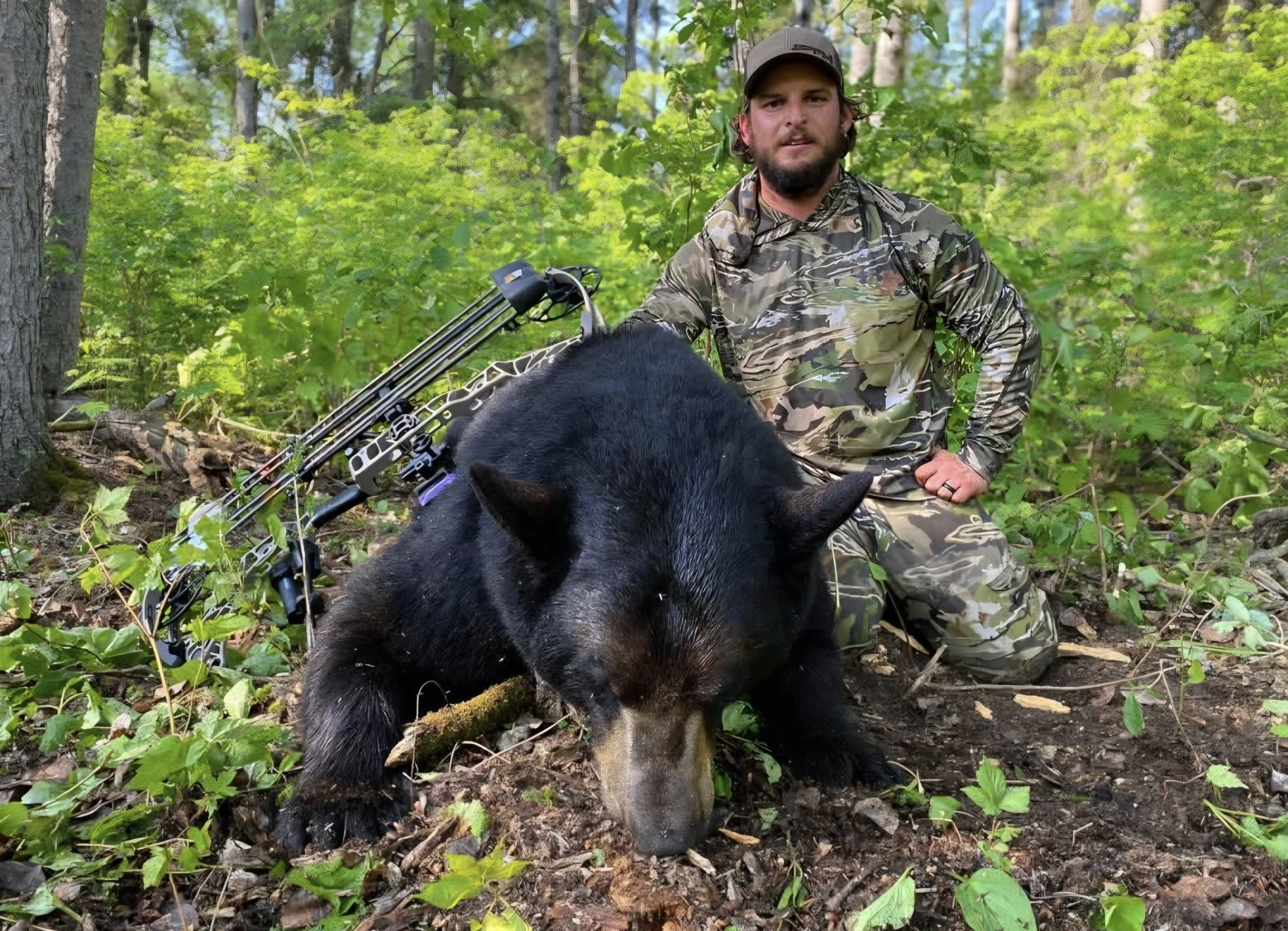
Spring bear hunting across North America offers two very different experiences depending on which side of the border you find yourself on. For Canadian hunters, or anyone planning a trip north, the contrast is especially clear, not just in terrain but in hunting style, regulations, and overall expectations.
In the United States, spring bear hunting is largely defined by the wide-open landscapes of the West. States like Idaho, Montana, Wyoming, and Oregon are prime destinations where spot-and-stalk hunting dominates. Hunters spend long hours behind optics, glassing south-facing slopes as the snow recedes and fresh green growth draws bears out of hibernation. It’s an active style of hunting that demands patience, physical endurance, and sharp decision-making. Once a bear is located, the real challenge begins, closing the distance across rugged terrain without being detected.
Further south, opportunities in places like Utah and Arizona exist but are typically limited through draw systems, making tags harder to come by. The hunting style remains similar, focused on spot-and-stalk, but with fewer hunters in the field due to tag restrictions. Alaska stands apart as something of a hybrid. Depending on the region, hunters may choose between baiting and spot-and-stalk methods, offering a level of flexibility not commonly found elsewhere in the U.S.
Cross into Canada, and the approach shifts in a noticeable way. Provinces such as Alberta, Saskatchewan, and Manitoba are well known for baited bear hunts. Here, outfitters and hunters establish bait sites weeks in advance, drawing bears into consistent, predictable patterns. The result is typically higher success rates and more frequent bear sightings, making it an appealing option for both new and experienced hunters. Rather than covering miles of terrain, much of the hunt involves patience, sitting quietly over a bait site and waiting for the right opportunity.
This same bait-focused approach carries across much of eastern Canada, including Ontario, Quebec, and New Brunswick. Dense forests and limited visibility make spot-and-stalk less practical in these regions, reinforcing baiting as the most effective and widely used method.
For Canadian hunters who still crave the spot-and-stalk experience, British Columbia offers some of the best opportunities in the country. With its mix of mountainous terrain, logging cuts, and expansive glassing areas, B.C. allows hunters to pursue bears in a way that closely mirrors the western U.S. style. Spring in B.C. often means scanning avalanche chutes, clearcuts, and river valleys for feeding bears, then making a calculated approach.
Ultimately, choosing where and how to hunt spring bear comes down to personal preference. If you’re drawn to covering ground, glassing hillsides, and making dynamic stalks, the western U.S. or parts of British Columbia will feel like home. If you prefer a more controlled setup with high encounter rates and a focus on patience and shot placement, much of Canada’s baited hunting system delivers exactly that.
Different landscapes, different methods, but both offer a rewarding and distinctly North American bear hunting experience.